

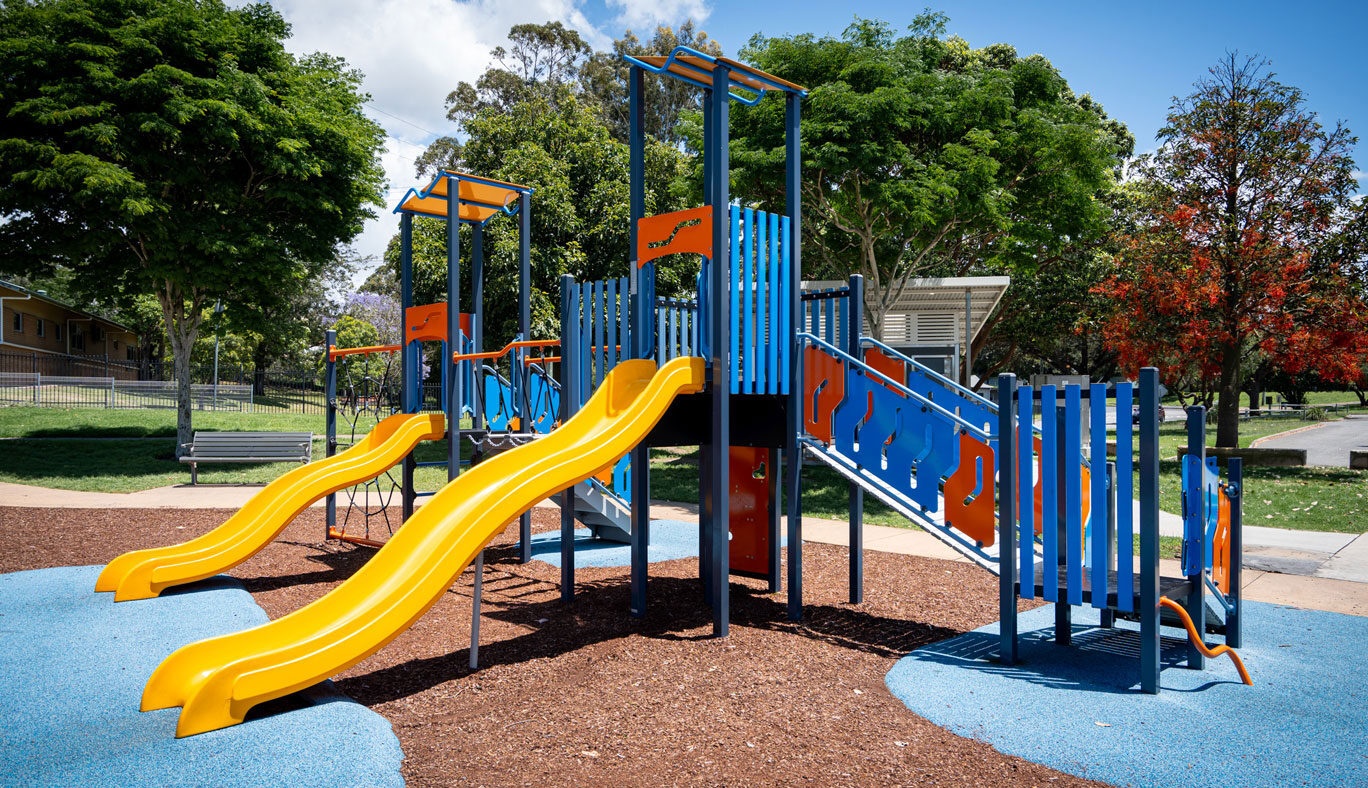
A well-designed school playground is far more than a place where children spend a few minutes between lessons. It is an active learning environment where students build confidence, strengthen friendships, improve coordination, and release the energy that naturally develops during the school day. When outdoor areas are planned carefully, they can support physical health, emotional wellbeing, creative thinking, and positive social behaviour.
Choosing the right playground equipment for schools requires more than selecting a few colourful structures and placing them in an empty section of the school grounds. Schools must consider student ages, available space, safety requirements, accessibility, supervision, durability, and long-term maintenance. The most successful playgrounds combine these practical needs with opportunities for challenge, imagination, cooperation, and independent exploration.
A thoughtful playground can become one of the most valuable shared spaces on a school campus. It can encourage children with different abilities and interests to participate while giving teachers and supervisors an environment that is easier to manage.
Why School Playgrounds Matter
Children spend a significant part of their day sitting, listening, reading, and completing structured classroom activities. Outdoor play creates a necessary change of pace. It allows students to move freely, make decisions, communicate with classmates, and explore physical challenges in a less formal setting.
Playgrounds can support the development of balance, strength, flexibility, coordination, and spatial awareness. Activities such as climbing, swinging, crawling, jumping, and balancing require children to use different muscle groups while learning how their bodies move.
These abilities can contribute to greater confidence during sports, physical education lessons, and everyday activities. A child who becomes comfortable climbing a low platform or crossing a balance bridge may become more willing to attempt other unfamiliar tasks.
The social value of playgrounds is equally important. Outdoor play gives children opportunities to share, negotiate, take turns, solve disagreements, and create games together. These experiences happen naturally and help students practise communication skills outside the structure of a classroom lesson.
Play can also provide an emotional reset. A stimulating morning of lessons may leave some children feeling restless or mentally tired. Time outdoors gives them room to move, relax, and return to class with renewed focus.
Planning for Different Age Groups
A successful school playground should reflect the ages and developmental stages of the children who will use it. Equipment that excites an older primary school student may be unsuitable for a younger child, while equipment designed only for early learners may fail to engage older students.
Younger children often benefit from low-level climbing structures, small slides, sensory panels, imaginative play areas, tunnels, stepping elements, and equipment that supports simple movement patterns. Clear sightlines are also helpful because younger students may require closer supervision.
Older children generally look for greater physical challenge. They may prefer taller climbing structures, overhead activities, rope systems, balance trails, obstacle courses, group swings, and equipment that allows them to test strength and coordination.
Schools serving several age groups can divide the playground into connected zones. Each zone can provide age-appropriate challenges while preserving the feeling of one shared outdoor environment. Natural boundaries, surface changes, seating areas, planting, or pathways can help separate activities without creating an overly restricted space.
The layout should also reduce unnecessary congestion. Fast-moving activities, such as running routes or active climbing zones, should not interfere with quieter spaces where children are talking, reading, or participating in imaginative games.
Making Inclusive Play a Priority
Every child should be able to enjoy the school playground in a meaningful way. Inclusive design is not limited to installing one accessible feature. It involves creating multiple ways for children with different physical, sensory, social, and cognitive needs to participate.
Wide pathways and suitable surfacing can improve movement throughout the playground. Ground-level activities, transfer points, supportive seating, sensory panels, musical features, and accessible play structures can offer a broader range of experiences.
Inclusive playgrounds should also consider children who may feel overwhelmed by noise, crowds, or fast-moving activity. A quiet retreat, shaded seating area, small playhouse, landscaped corner, or sensory space can give students somewhere to pause without leaving the playground entirely.
Variety is essential. Not every child enjoys climbing or competitive games. Some prefer imaginative play, music, sand, water, nature, drawing, storytelling, or simply talking with friends. A balanced playground provides active challenges as well as calmer experiences.
Inclusive design benefits the entire school community. When children can play alongside classmates with different needs, the playground becomes a place where cooperation and understanding develop naturally.
Balancing Challenge and Safety
Children need opportunities to experience manageable challenges. A playground that removes every sense of uncertainty may quickly become uninteresting. At the same time, challenges must be appropriate for the intended age group and supported by responsible design.
Good playground planning allows children to test their abilities gradually. A climbing structure might offer several routes with different levels of difficulty. A balance trail could include low, stable elements before progressing to more demanding sections. This gives children the freedom to choose a challenge that suits their current confidence.
Schools should consider equipment design, installation, impact-absorbing surfaces, fall zones, spacing, visibility, drainage, and ongoing inspection. Equipment should be installed according to relevant safety guidance and manufacturer requirements.
Supervision also influences the layout. Staff members should be able to observe key activity areas without having their view blocked by poorly positioned structures or landscaping. Clear sightlines make it easier to identify unsafe behaviour, respond to injuries, and support children who need assistance.
Regular inspections are necessary after installation. Loose components, worn surfaces, damaged fittings, sharp edges, vandalism, or changes in the surrounding ground should be addressed promptly. A maintenance plan helps protect both the equipment and the school’s investment.
Choosing Durable Materials
School playgrounds receive frequent and sometimes intensive use. Equipment may be used by hundreds of children each week while remaining exposed to sun, rain, wind, dirt, and changing temperatures. Durability should therefore be considered from the beginning of the project.
Materials should be suitable for the local climate and the expected level of use. Schools should examine the construction quality, protective finishes, warranties, replacement-part availability, and maintenance requirements of each product.
The cheapest initial option may not always provide the best long-term value. Equipment that requires frequent repairs or early replacement can become more expensive over time. Durable products supported by clear maintenance information may offer a more dependable return on the available budget.
Surfacing must also be selected carefully. Different surfaces offer different benefits in relation to accessibility, impact absorption, appearance, drainage, installation cost, and ongoing care. The final decision should reflect the playground layout and the activities taking place in each area.
Supporting Imaginative and Creative Play
Physical activity is only one part of a strong playground design. Imaginative play allows children to invent characters, stories, rules, and shared worlds. A platform can become a ship, a shop, a laboratory, or a hidden castle depending on the children using it.
Open-ended features often support creativity more effectively than equipment with only one obvious purpose. Play panels, stages, huts, sand areas, loose-play spaces, themed structures, musical elements, and natural materials can encourage children to create their own experiences.
Creative spaces can also help children who are less interested in vigorous activity. They provide another way to participate, communicate, and feel connected to the playground community.
Schools can extend learning outdoors by including number games, letter panels, maps, nature areas, performance spaces, or markings for group activities. These features should not make the playground feel like another classroom. Instead, they should invite children to explore ideas through movement and play.
Incorporating Nature and Shade
Natural elements can make a playground feel calmer, more attractive, and more connected to its surroundings. Trees, shrubs, rocks, logs, gardens, and textured pathways can add variety while encouraging curiosity about the environment.
Shade is particularly important in warm climates. Carefully positioned shade structures, trees, covered seating, or sheltered play zones can help make the space more comfortable during hot weather.
Planting should be selected with safety, visibility, allergies, maintenance, and local growing conditions in mind. Plants should not create hidden areas that are difficult to supervise, and surfaces should allow water to drain effectively after rain.
Nature-based areas can also provide quieter forms of play. Children may enjoy observing insects, caring for a garden, collecting leaves, or using natural objects in imaginative games. These activities can complement the more active sections of the playground.
Designing Playgrounds for Residential Developments
The principles used in school playground planning can also benefit residential communities. Property developers increasingly recognise that shared play spaces can contribute to the appeal and everyday usefulness of a neighbourhood.
Well-planned developer playground equipment can help create a welcoming central area where children play and residents meet. The playground may become an important social feature within an apartment complex, housing estate, public park, or mixed-use development.
Developers should consider the expected number of users, surrounding homes, noise, accessibility, parking, pathways, lighting, landscaping, seating, shade, and long-term management. The equipment should suit the likely age groups while remaining visually compatible with the wider development.
A successful community playground should feel connected rather than added as an afterthought. Safe pedestrian access, comfortable seating for carers, suitable fencing where necessary, and attractive landscaping can make the area more useful for families.
Durability remains important because residential playgrounds may be used throughout the day and managed by property owners, community associations, or local authorities. Clear maintenance responsibilities should be established before the space opens.
Involving the School Community
Teachers, students, parents, maintenance staff, and school leaders can all provide useful information during the planning process. Students may explain which activities they enjoy, while staff can identify supervision problems or areas of the existing playground that are rarely used.
Consultation does not mean every suggestion must be included. Its purpose is to understand how the space currently functions and what the community expects from the new design.
Schools can gather ideas through surveys, classroom discussions, drawings, meetings, or observation of existing play patterns. Watching how children use the current playground can reveal information that may not appear in a written response.
For example, students may consistently gather in a shaded corner because the main seating area is too exposed. A climbing structure may be popular, but long queues could indicate that more active equipment is needed. Quiet areas may be underused because they are positioned too close to noisy games.
These observations can guide practical decisions and help the finished playground respond to genuine needs.
Establishing a Realistic Budget
A playground budget should cover more than the equipment itself. Schools may also need to allow for site preparation, drainage, surfacing, installation, shade, landscaping, pathways, fencing, seating, signage, freight, inspections, and future maintenance.
Creating priorities can help when the available budget is limited. Safety, accessibility, durability, and suitable play value should come before decorative additions.
A staged approach may be appropriate for some schools. The first phase can establish essential equipment and infrastructure, while later phases introduce additional play features, landscaping, or outdoor learning areas.
However, the full site should still be planned from the beginning. This reduces the risk of placing early equipment where it will interfere with future development.
Schools should also think about value rather than simply counting the number of individual products. One carefully designed structure that supports climbing, balancing, social interaction, and imaginative play may provide more lasting value than several isolated items with limited use.
Creating a Playground That Lasts
The strongest playgrounds are designed around the children who use them rather than temporary trends. They provide variety, manageable challenge, accessibility, durability, and space for both energetic and quiet play.
A well-planned outdoor environment can support movement, creativity, friendship, confidence, and emotional wellbeing throughout the school day. It can also become a shared point of pride for students, staff, and families.
Careful planning is the foundation of a successful project. Schools should evaluate the site, understand student needs, set a realistic budget, consider long-term maintenance, and select equipment that offers meaningful play value.
When these decisions are made thoughtfully, the playground becomes much more than an outdoor break area. It becomes a place where children can test themselves, connect with others, develop new skills, and create experiences they will remember long after leaving school.