


In a world that celebrates speed, convenience, and constant innovation, many traditional practices have quietly faded into the background. Yet, not everything from the past deserves to be left behind. Some forgotten habits continue to offer practical benefits that fit surprisingly well into modern life. They encourage stronger relationships, wiser decision making, and a greater appreciation for quality over quantity. Revisiting these timeless practices can help people create a more balanced and meaningful lifestyle while addressing many of today’s common challenges.
Learning Through Observation Instead Of Constant Searching
Modern technology allows answers to be found within seconds, but earlier generations often relied on careful observation before reaching conclusions. Whether solving a household problem, understanding nature, or improving a skill, people developed patience by watching, experimenting, and learning from experience.
This approach remains valuable today because it strengthens critical thinking rather than encouraging immediate dependence on digital solutions. Even an Australian online magazine can highlight stories that demonstrate how observation often leads to creative solutions and practical discoveries in everyday life.
Repairing Instead Of Replacing
Previous generations viewed possessions as long term investments. Clothing, furniture, appliances, and household items were repaired whenever possible instead of being discarded after minor damage.
This mindset offers significant advantages today. Repairing products reduces waste, saves money, and encourages greater appreciation for craftsmanship. It also supports sustainability by extending the life of valuable resources instead of contributing to unnecessary consumption.

Community Knowledge Sharing
Before online tutorials became available, people frequently learned practical skills from neighbors, family members, and local experts. Communities exchanged knowledge through conversation and hands on experience rather than relying solely on digital platforms.
Today, this tradition still strengthens neighborhoods and creates valuable personal connections. Many discussions featured on a trending topics blog explore how communities become more resilient when people actively share their knowledge instead of keeping valuable experience to themselves.
Writing Things Down By Hand
Digital notes have become the standard, yet handwritten journals, planners, and notebooks continue to provide unique benefits. Writing by hand improves concentration, memory retention, and creative thinking because it slows the mind and encourages thoughtful reflection.
Many successful professionals still use handwritten planning sessions to organize ideas before moving projects into digital tools. This forgotten habit remains an effective way to improve productivity while reducing mental distractions.
Supporting Neighborhood Commerce
Communities have always depended on nearby shops, skilled tradespeople, and family owned businesses. While online shopping offers convenience, supporting local businesses Australia helps preserve local economies, creates employment opportunities, and strengthens community relationships.
Shopping locally also allows consumers to receive personalized service, discover unique products, and build trust with business owners who understand the needs of their communities.
Face To Face Conversations
Communication has become faster than ever through messaging applications and social media. However, genuine face to face conversations remain one of the most effective ways to build trust, resolve misunderstandings, and strengthen relationships.
Speaking directly allows people to notice body language, tone, and emotional cues that are often missing from written communication. These personal interactions continue to play an important role in family life, education, business, and community engagement.
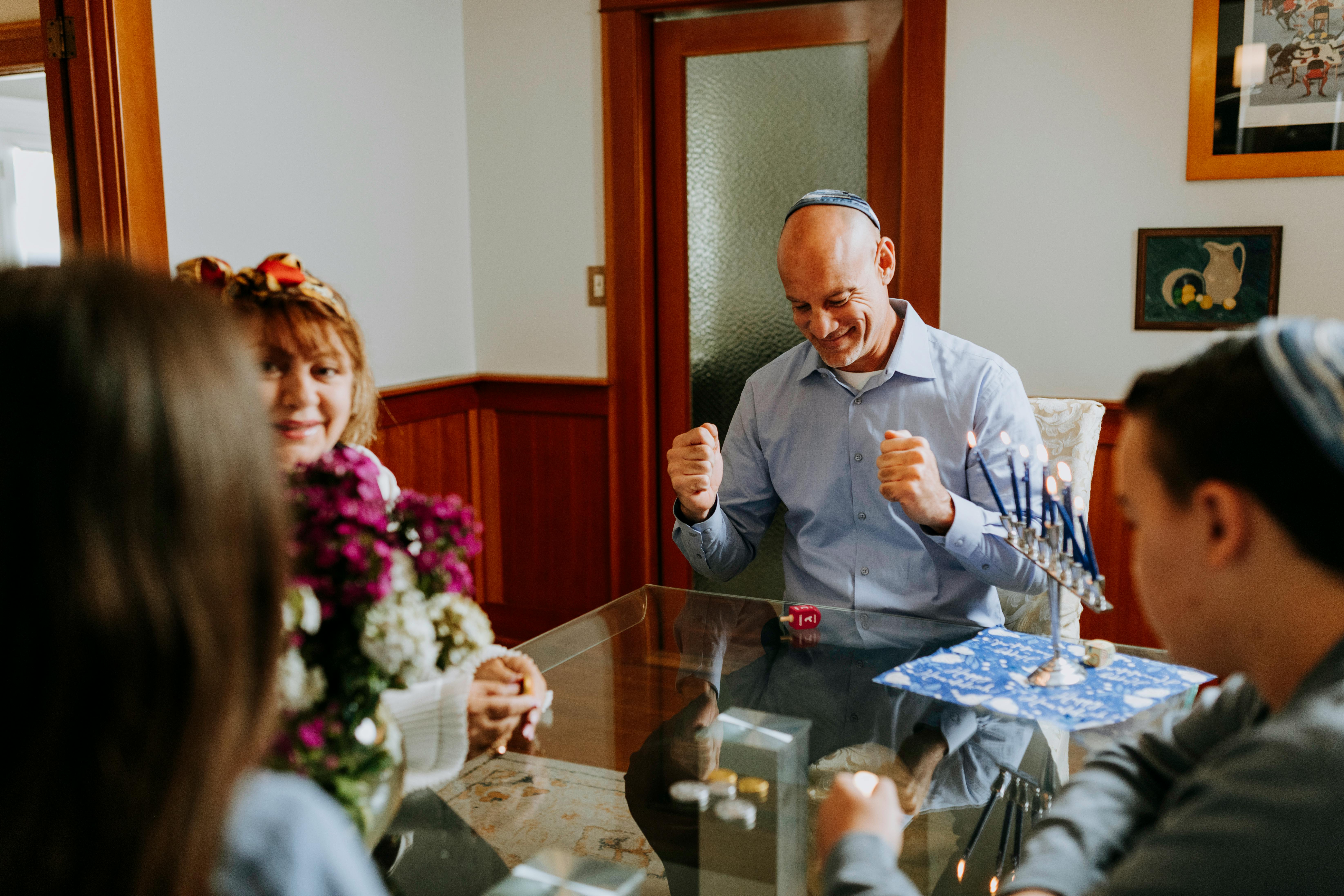
Passing Skills Between Generations
Many valuable life skills were traditionally passed from parents and grandparents to younger generations. Cooking, gardening, woodworking, budgeting, sewing, and home maintenance were learned through observation and shared experiences rather than formal instruction.
Today, preserving these traditions creates stronger family connections while ensuring practical knowledge continues to benefit future generations. Many contributors who write for us blog Australia frequently encourage readers to preserve these valuable skills by documenting family traditions and sharing practical experiences.
Practicing Patience During Decision Making
Modern lifestyles often reward quick responses, but important decisions usually benefit from careful consideration. Earlier generations commonly allowed time to reflect before making financial commitments, career changes, or major purchases.
Patience reduces emotional decision making and allows people to evaluate long term consequences more effectively. This simple practice continues to improve both personal and professional outcomes.
Prioritizing Quality Over Quantity
Traditional purchasing habits emphasized durability instead of frequent replacement. People often owned fewer possessions but selected items designed to last for many years.
This philosophy remains highly relevant today as consumers become increasingly interested in sustainability, long term value, and reducing unnecessary spending. Investing in quality often lowers overall costs while minimizing waste.
Sharing Practical Knowledge Through Modern Platforms
Although technology has transformed communication, it can also help preserve traditional wisdom. Experienced professionals, educators, and creators increasingly combine timeless practices with modern digital channels to reach wider audiences. Individuals who write for us digital marketing platforms often emphasize that authentic educational content built upon real world experience creates stronger engagement than short lived online trends.
By combining established knowledge with modern communication methods, valuable traditions can remain relevant for future generations.
Progress does not always require abandoning the past. Many forgotten practices continue to offer practical solutions for today’s fast paced world. Repairing instead of replacing, supporting local communities, learning through observation, writing by hand, practicing patience, and valuing personal connections all contribute to healthier, more sustainable lifestyles. By blending timeless wisdom with modern innovation, individuals can enjoy the advantages of both worlds while preserving practices that continue to provide lasting value.