


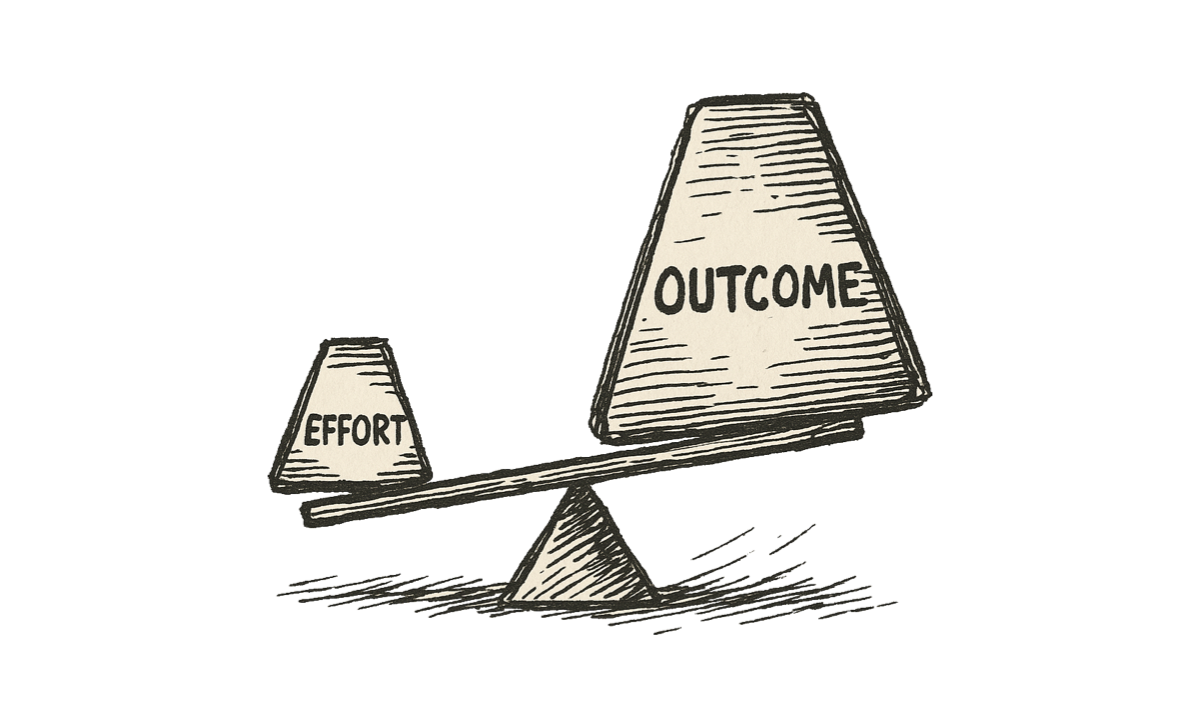
In a world that constantly celebrates hard work and persistence, it is easy to assume that more effort always leads to better results. However, this is not always true. Sometimes, effort without direction can lead to exhaustion rather than progress. Even during casual activities like browsing an anime pic, we may feel engaged, but that does not necessarily mean we are moving forward in a meaningful way. Understanding the difference between effort and effective effort is essential for real growth.
The Difference Between Activity And Progress
Being active is not the same as making progress. Many people spend their days busy with tasks, yet feel like they are not getting closer to their goals.
Activity can create the illusion of productivity. Checking tasks off a list or constantly staying occupied may feel rewarding, but without clear direction, these actions may not contribute to meaningful outcomes.
Progress, on the other hand, requires purpose. It involves taking steps that align with long term goals rather than simply staying busy.
The Importance Of Direction
Effort becomes meaningful only when it is guided by clear direction. Without a defined goal, even the hardest work can lead nowhere.
For example, exploring resources like https://pedrovazpaulobusinessconsultants.org may provide valuable insights, but without applying that knowledge with a specific purpose, it remains unused information.
Direction helps focus effort on what truly matters. It ensures that actions contribute to progress rather than just filling time.
Why More Effort Is Not Always Better?
There is a common belief that increasing effort will automatically improve results. However, this approach can lead to burnout if not managed properly.
Working harder without evaluating effectiveness can result in wasted energy. It is important to assess whether your efforts are producing results or simply maintaining activity.
Quality of effort matters more than quantity. Smart work often achieves more than hard work alone.
Learning To Evaluate Your Actions
To ensure that effort leads to progress, it is important to regularly evaluate your actions. This involves asking whether your current activities are helping you move forward.
Even while engaging with topics like pm gramin awas yojana, taking time to reflect on what you are learning and how it applies to your goals can make a significant difference.
Evaluation helps identify what works and what does not, allowing you to adjust your approach accordingly.
Avoiding Repetitive Patterns
One of the reasons effort does not always lead to progress is repetition without improvement. Doing the same thing repeatedly without learning or adapting can limit growth.
True progress requires change and adaptation. It involves learning from mistakes and making improvements over time.
Just as practicing ra barakhadi in hindi requires understanding patterns and refining skills, meaningful progress requires continuous learning and adjustment.
The Role Of Focus In Progress
Focus is a key factor in turning effort into results. When attention is divided, the effectiveness of effort decreases.
Multitasking and distractions can reduce productivity and lead to incomplete work. Concentrating on one task at a time improves quality and efficiency.
Focused effort ensures that energy is used effectively, leading to better outcomes.

Balancing Effort With Rest
Constant effort without rest can reduce productivity. The mind and body need time to recover in order to perform effectively.
Taking breaks allows for better thinking and improved performance. It helps maintain energy levels and prevents burnout.
Even while exploring tools like snaptroid download, it is important to balance engagement with periods of rest to maintain clarity and focus.
Rest is not a sign of weakness but a necessary part of progress.
Aligning Effort With Goals
Effort becomes meaningful when it aligns with clear and realistic goals. Without alignment, actions may not contribute to desired outcomes.
Setting specific objectives helps direct effort toward achieving results. It provides a sense of purpose and motivation.
When effort is aligned with goals, progress becomes more visible and measurable.
The Value Of Smart Work
Smart work involves using strategy, planning, and efficiency to achieve better results. It focuses on doing the right things rather than doing everything.
This approach emphasizes effectiveness over intensity. It encourages thoughtful action rather than constant activity.
By working smarter, individuals can achieve more with less effort and avoid unnecessary strain.
Conclusion
Not all effort leads to meaningful progress because effort alone is not enough. Without direction, focus, and evaluation, hard work can become unproductive. Understanding the difference between being busy and being effective is essential for achieving real results. By aligning effort with goals, maintaining focus, and balancing work with rest, it is possible to turn effort into meaningful progress. In the end, progress is not about how much you do, but about how well your actions contribute to your desired outcomes.